For the better part of three months, my husband and I lived in a state of semi-permanent fog. Our two-year-old, who had previously been a “gold star sleeper,” had suddenly decided that 2:15 AM was the ideal time for a dramatic monologue about the whereabouts of his toy excavator. He wasn’t sick. He wasn’t hungry. He was just… unsettled.
We tried everything. We adjusted the thermostat, we switched to “heavy-duty” overnight diapers, and we even tried a white noise machine that sounded like a tropical rainforest during a hurricane. Nothing worked. Then, during one particularly desperate 3 AM Google session, I stumbled across a thread about spinal alignment and the transition from a flat crib mattress to a bed.
It hit me: his neck looked awkward when he slept. He was trying to bunch up his blanket to rest his head on it. We had transitioned him to a toddler bed, but we hadn’t given him a toddler pillow.
That one change, a small, rectangular piece of carefully chosen foam and organic cotton, didn’t just save our nights; it restored our sanity. But as I quickly learned, you can’t just grab a spare pillow from the guest room and call it a day. In 2026, the world of toddler sleep gear is more specialized than ever. Here is the ultimate guide to finding the right pillow for your little one’s actual, developing body.
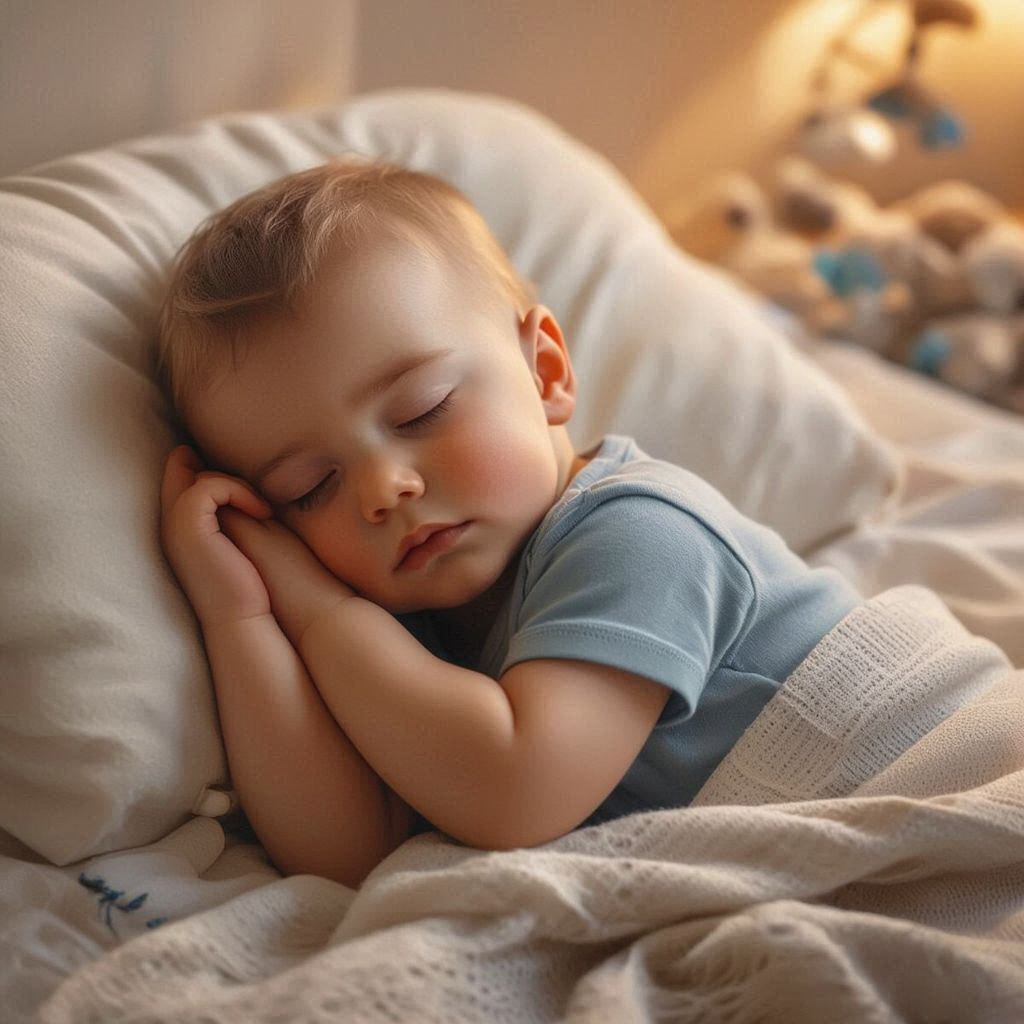
The Safety Guardrails: When is it Time?
Before we dive into materials and loft, we have to talk about safety. As a parent, you’ve likely had the “flat is best” rule drilled into your head since the day you left the hospital.
The Age Rule
The American Academy of Pediatrics (AAP) and most sleep experts in 2026 agree that you should not introduce a pillow until a child is at least 18 to 24 months old.
- The Reason: Before this age, pillows are a suffocation hazard. Furthermore, a baby’s shoulders are narrower than their head, so they don’t actually need the lift to keep their spine straight.
- The “Tell”: If you see your child propping their head up on a stuffed animal, bunching up their comforter, or resting their head on your arm during storytime, they are likely ready for their first toddler pillow.
The Size Difference
An adult pillow is roughly 20×26 inches. A toddler pillow is typically 13×18 inches. This isn’t just about “looking cute” in a smaller bed; it’s about preventing the child from getting “lost” in the fabric. A pillow that is too large can easily wrap around a child’s face if they roll over in their sleep.
The Ergonomics of a Growing Spine
Why can’t you just use a “flat” adult pillow? This was my first question. I had a pancake-thin pillow from an old IKEA set that I thought would be perfect. I was wrong.
Children are not just “small adults.” Their skeletal structure is still hardening (ossifying), and their neck-to-shoulder ratio is completely different from ours.
The “Loft” Factor: “Loft” refers to the height/thickness of the pillow. An adult pillow usually has a loft of 4 to 6 inches. A proper toddler pillow should have a loft of only 2 to 3 inches.
If the pillow is too high, it pushes the chin toward the chest, which can restrict the airway and cause neck strain. If it’s too flat (like my IKEA “pancake”), it provides no support for the cervical spine when they sleep on their side.
Material Science in 2026: What’s Inside?
In 2026, we are much more aware of “off-gassing” and Volatile Organic Compounds (VOCs). Since your toddler will be breathing directly into this pillow for 10 hours a night, the filling matters.
Memory Foam (The 2026 Standard)
Most high-end pillows now use CertiPUR-US® certified memory foam.
- Pros: It holds its shape and provides consistent support. It’s also naturally resistant to dust mites.
- Cons: It can trap heat. Look for “Gel-Infused” or “Perforated” versions that allow for airflow so your toddler doesn’t wake up with “sweaty hair” syndrome.
Organic Cotton & Wool
For the eco-conscious parent, organic fibers are the way to go.
- Pros: Naturally breathable and hypoallergenic. Wool is a miracle fiber, it stays cool in the summer and warm in the winter.
- Cons: They tend to flatten out over time. You’ll need to “fluff” these pillows regularly to maintain the correct loft.
Natural Latex
Latex is gaining massive popularity this year because it’s harvested from rubber trees and is inherently antimicrobial. It has a “bouncier” feel than memory foam, which some toddlers prefer because it doesn’t feel like they are “sinking” into the bed.
The “Real-World” Selection Criteria
Beyond the science, there are the practicalities of being a parent. Let’s talk about the things you don’t think about until the first “accident” happens.
1. The Washability Factor
If a toddler pillow isn’t 100% machine washable, don’t buy it. Between night sweats, drool, the occasional “stomach bug” incident, and spilled sippy cups, that pillow is going to see some things.
- The Gold Standard: Look for pillows where the entire pillow can go in the wash, not just the cover. Some foams will disintegrate in a washing machine, so read the labels carefully.
2. The “Envelope” Closure
Ensure the pillowcase has an “envelope” closure rather than a zipper. Toddlers are remarkably adept at finding zippers and scratching their faces or, worse, figuring out how to open them and eat the foam inside.
3. Hypoallergenic Labels
Even if your child doesn’t have known allergies, a hypoallergenic toddler pillow is a must. Toddlers are prone to “nighttime congestion,” and a pillow that doesn’t harbor dust mites or mold can significantly improve their breathing.
2026 Market Comparison: The Top 3 Contenders
| Model | Material | Best For… | The “Real Talk” |
| The KeaBabies My Little Dreamy | Ergonomic Cotton | The Transitional Sleeper | Extremely soft and machine washable. It’s the “classic” choice for a first pillow. |
| Little Sleepy Head (Gel-Infused) | Memory Foam | The “Hot” Sleeper | If your kid wakes up sweaty, this is the one. The cooling gel actually works. |
| Nature’s Embrace Organic Latex | GOLS Organic Latex | The Eco-Conscious | It’s pricey, but it will last until they are five without losing an ounce of shape. |
How the Right Pillow “Saved Our Nights”: A Case Study
Back to my son. We eventually settled on a medium-firm memory foam toddler pillow with a bamboo cover.
- Night 1: He was confused. He used it as a stepping stone to try and climb out of the bed.
- Night 2: He realized that if he put his head on it, he could see his “night light” stars better. He fell asleep in ten minutes.
- Night 14: The 2 AM monologues stopped. We realized that he had been waking up because his neck was stiff or he was getting too hot. The new pillow regulated his temperature and kept his head at a comfortable angle.
It wasn’t magic; it was alignment. When his body was comfortable, his brain could finally stay in deep REM sleep.
Troubleshooting Common Pillow Problems
Sometimes, the introduction of a pillow doesn’t go smoothly. Here is what to do:
- “My toddler refuses to use it”: Don’t force it. Leave it in the bed. Eventually, they will imitate you and start using it. You can also try “practicing” with the pillow during floor play or while reading books.
- “They keep sliding off”: This usually means the loft is too high. If the pillow is too thick, their head will naturally roll off to the side to find a flatter surface. Look for a “low profile” model.
- “They wake up with a stuffy nose”: It’s time to wash the pillow and the case in hot water ($60^{\circ}C$ or higher) to kill dust mites, or switch to a more breathable material like latex.
Here are sets of 100% organic bamboo pillowcases
Finding the right pillowcase is just as important as the pillow itself, especially for toddlers who tend to sleep “hot” or have sensitive skin. Since you’re looking for 100% organic bamboo (which is naturally hypoallergenic, antimicrobial, and temperature-regulating), here are the top-rated sets in 2026 that fit the standard 13″ x 18″ toddler pillow size.
1. Bamboo Is Better: Cooling Toddler Pillowcase
This is widely considered the gold standard for pure bamboo toddler bedding. Unlike blends, this is a 100% bamboo viscose sateen weave that feels like silk but is much more durable.
- Size: Exact 13” x 18” fit.
- Why it’s great: It features a 300-thread count that stays cool to the touch all night. It’s specifically designed for “sweaty sleepers” and uses a secure envelope closure so there are no zippers for your toddler to mess with.
- Certification: OEKO-TEX Standard 100 (certified free of harmful chemicals).
2. NakedLab: Organic Bamboo Silk Kids Set
If you’re looking for a more premium, luxury feel, NakedLab’s “BambooSilk” is a top contender. They use a closed-loop production process that is much more eco-friendly than traditional bamboo manufacturing.
- Size: Fits 13” x 18” and 14” x 19” (Standard Toddler/Travel).
- Why it’s great: It is incredibly friction-free, which is great for toddlers with curly hair (prevents “nesting” or tangles) or those prone to eczema. These usually come in a 2-pack, which is essential for wash day.
- Certification: GOTS-certified organic bamboo.
3. Honeydew Sleep: The Scrumptious Toddler Case
Honeydew is a family-owned brand famous for their ergonomic pillows, but their 100% organic bamboo cases are standout products on their own.
- Size: Tailored for 13″ x 18″ travel/toddler pillows.
- Why it’s great: They use a heavier-weight bamboo fabric than most, meaning it doesn’t get that “transparent” or “flimsy” feel after twenty washes. It also has a hidden side zipper that is tucked deep inside the fabric so the toddler can’t feel it or open it easily.
- Certification: 100% Organic Bamboo Viscose.
4. Dreamland Baby: 100% Bamboo Toddler Case
Known primarily for their weighted sleep sacks, Dreamland Baby released a line of 100% bamboo bedding that has quickly become a parent favorite for its color variety.
- Size: Universal Toddler Size (13×18).
- Why it’s great: These are very “stretchy” for being 100% bamboo, making them easy to get on and off even if your pillow is slightly “plumper” than average. They come in modern, muted earth tones like Sage and Dusty Rose.
Quick Comparison Table
| Brand | Material | Closure Type | Key Benefit |
| Bamboo Is Better | 100% Bamboo Sateen | Envelope | Maximum Cooling |
| NakedLab | 100% Organic Bamboo Silk | Envelope | Best for Hair & Skin |
| Honeydew Sleep | 100% Organic Viscose | Hidden Zipper | Durability/Thickness |
| Dreamland Baby | 100% Natural Bamboo | Envelope | Color Variety |
A Note on “Organic” Bamboo Labels
When shopping in 2026, you’ll see two main types: Bamboo Viscose and Bamboo Lyocell.
- Viscose is the softest and most common.
- Lyocell (often called Tencel or BambooSilk) uses a non-toxic solvent and is considered the “most” organic and sustainable version.
Summary: The 2026 Buying Checklist
When you are standing in the aisle (or scrolling through a million tabs), keep this checklist in mind:
- Dimensions: Is it roughly 13×18?
- Loft: Is it 3 inches or less?
- Certifications: Is it CertiPUR-US® or Oeko-Tex Standard 100?
- Washability: Can I throw this in the machine at 2 AM without it being destroyed?
- Firmness: It should be firm enough that your hand doesn’t sink all the way to the mattress, but soft enough to be cozy.
Conclusion
We often think of “big” changes when it comes to toddler sleep, sleep training, room darkening, or schedule shifts. But sometimes, the solution is as small as a toddler pillow. Providing that little bit of extra comfort and physical support can be the missing piece of the puzzle.
Since we bought that pillow, our house is quieter, our coffee intake has returned to “normal” levels, and our son wakes up refreshed rather than cranky. It’s an investment in their development and, more importantly, in your own well-being.
Leave a Reply