
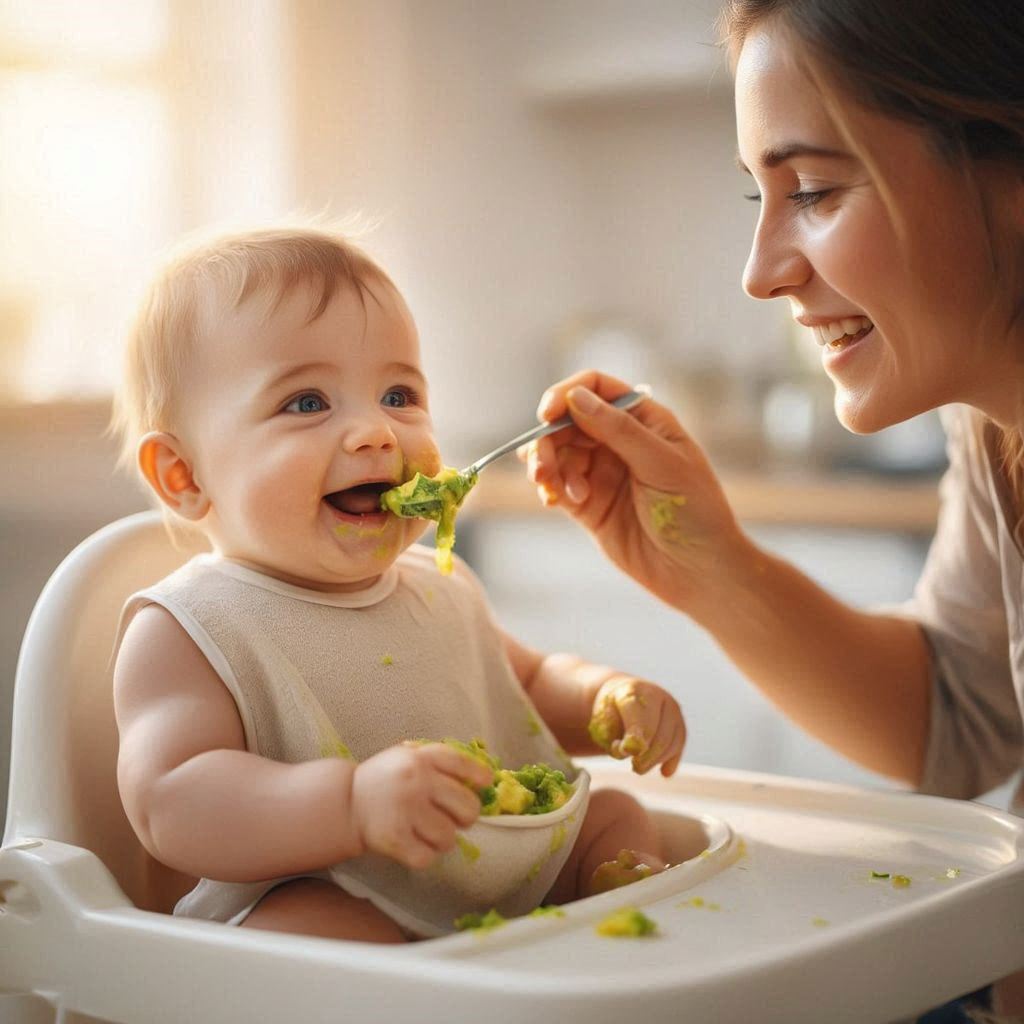
If you have recently transitioned your baby from “just milk” to “actual food,” your kitchen likely looks like a modern art gallery, if that gallery specializes in orange smears on the walls and mashed peas in the floorboards.
Starting solids is a massive milestone. It’s the moment your baby joins the family table. But in 2026, the sheer volume of conflicting advice can be overwhelming. Do you do “Baby-Led Weaning”? Do you stick to traditional purees? Is kale still “in,” or are we all about ancient grains this year?
The truth is, the best meal plan is the one your baby actually eats (and doesn’t immediately catapult across the room). To take the decision fatigue out of your morning, we’ve built the Baby Meal Planner. It’s your digital sous-chef, ready to suggest age-appropriate ideas with a single click.
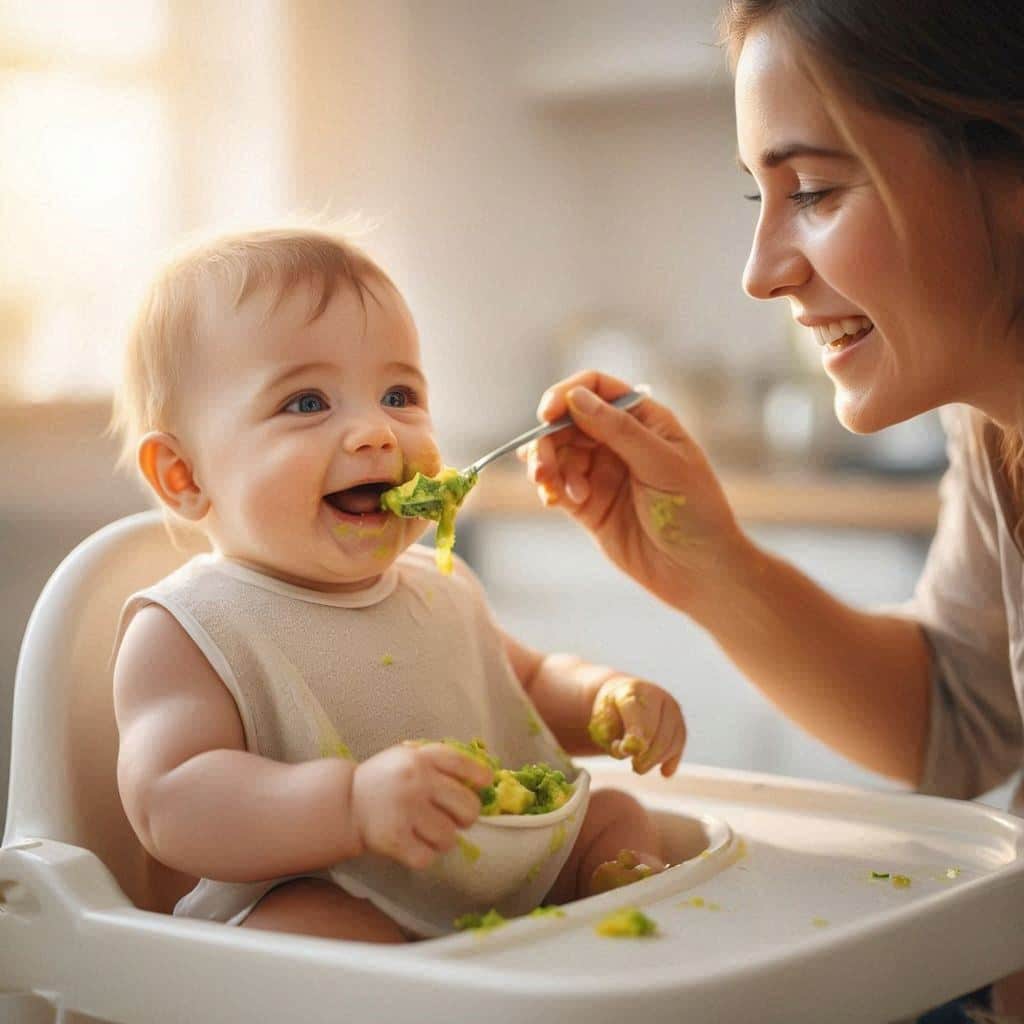
The 2026 Philosophy: Diversity and Early Exposure
For decades, the advice was “bland is best.” In 2026, pediatric nutritionists have flipped the script. We now know that the “flavor window” between 6 and 18 months is the critical time to introduce a wide variety of tastes and textures.
Using a baby meal planner helps you ensure you aren’t just stuck in a “banana and oatmeal” loop. By rotating through different food groups, you are training your baby’s palate to appreciate complex flavors, which can significantly reduce picky eating later in toddlerhood.
The Three Pillars of the 2026 Baby Plate:
- Iron-First: Around 6 months, a baby’s natural iron stores begin to deplete. We focus on iron-rich foods like beans, lentils, eggs, and finely ground meats.
- Allergen Introduction: The “wait and see” approach is out. Current science suggests introducing common allergens (peanut butter, eggs, fish) early and often to help prevent allergies.
- Texture Progression: Moving from “smooth” to “lumpy” to “finger foods” is essential for developing the jaw muscles needed for speech.
Milestone Meals: A Stage-by-Stage Breakdown
Our baby meal planner tool categorizes ideas by age. Here is the logic behind those recommendations:
4 to 6 Months: The “Taste-Tester” Phase
At this stage, food is for fun, not for full calories. You are looking for signs of readiness: Can they sit up? Do they have good head control? Do they watch you eat with intense, slightly creepy focus?
- Focus: Single-ingredient purees to monitor for any reactions.
- 2026 Trend: Root vegetables (parsnips, beets) over just white rice cereal.
7 to 9 Months: The “Flavor Explorer”
This is when the baby meal planner starts to look like a real menu. Your baby can now handle thicker mashes and even soft “pincer” foods (items they can pick up with their thumb and forefinger).
- The Goal: Combining flavors. Think “Oatmeal + Blueberries” or “Chicken + Carrots.”
10 to 12 Months: The “Table Guest”
Your baby is nearly a toddler. They want what you’re having. At this point, the goal is to modify your family meals, lower the salt, skip the honey, and cut things into safe, bite-sized pieces.
2026 Safety Table: Cutting Guide for Finger Foods
| Food Item | How to Serve (6–9 Months) | How to Serve (10–12+ Months) |
| Banana | Large spears (the size of an adult finger) | Small bite-sized pieces |
| Blueberries | Flattened or smashed | Quartered |
| Grapes | NEVER whole (Choking Hazard) | Quartered lengthwise |
| Broccoli | Large, soft-steamed florets | Chopped into small pieces |
| Eggs | Omelet strips | Scrambled or chopped hard-boiled |

The Science of “Self-Regulation”
One of the best things a baby meal planner does is give you a framework so you can step back. In 2026, we advocate for the Division of Responsibility:
- The Parent’s Job: What, where, and when the baby eats.
- The Baby’s Job: How much (if any) they eat.
If you provide a balanced meal suggested by our planner and your baby only eats two bites, that is okay. Forced feeding leads to power struggles. Trust that their body knows when it is full.
Pediatrician Pearl: “A baby’s appetite is like the weather; it changes without warning. One day they are a vacuum; the next, they live on air and a single Cheerio. Look at their intake over a week, not a single meal.”
5 Tips for Stress-Free Meal Prepping
- The Ice Cube Tray Hack: Puree a large batch of veggies, freeze them in ice cube trays, and then pop the cubes into freezer bags. You can “mix and match” flavors (one cube of pea, one cube of potato) in seconds.
- Steam, Don’t Boil: Steaming preserves more nutrients. In 2026, multi-tier bamboo or silicone steamers are the go-to for eco-conscious parents.
- Skip the Salt: Babies’ kidneys aren’t ready for added salt. Use herbs like cinnamon, cumin, and cilantro to add flavor without the sodium.
- The “No Pressure” Rule: It can take up to 15 exposures for a baby to like a new food. If they spit out the broccoli today, try again in three days.
- Eat Together: Babies learn by imitation. If they see you eating your veggies, they are 100% more likely to try theirs.
Frequently Asked Questions (FAQ)
1. When can my baby have cow’s milk?
Wait until 12 months for cow’s milk as a drink. However, you can use small amounts of milk in cooking (like in oatmeal) or offer plain, unsweetened yogurt from 6 months onwards.
2. Is “Baby-Led Weaning” better than purees?
There is no “better,” only what works for your family. Many 2026 parents use a “combo approach”: spoon-feeding purees for nutrition and offering soft finger foods for sensory play and motor skills.
3. What foods should I avoid entirely in the first year?
- Honey: Risk of infant botulism.
- Whole Nuts/Seeds: Major choking hazard.
- Unpasteurized Juices/Dairy: Risk of E. coli or Salmonella.
- High-Salt/Sugar Foods: Not great for developing organs.
4. How do I know if my baby has an allergy?
Look for hives, swelling of the lips/tongue, vomiting, or difficulty breathing. If you see these, stop the food and call your pediatrician immediately. For mild rashes, consult your doctor about a “test and re-introduce” plan.
5. My baby only wants fruit. Is that bad?
It’s natural! We are biologically wired to like sweet things. Use our baby meal planner to “bridge” flavors, mix a little bit of the fruit they love with a vegetable they are unsure about.
Conclusion: Turning “Mealtimes” into “Memories”
Feeding your baby is about more than just calories; it’s about connection. It’s the messy, loud, funny start to a lifetime of family meals. By using the Baby Meal Planner as your guide, you’re ensuring that your baby gets the variety they need while you get the peace of mind you deserve.
So, put on the oversized bib, grab the camera for those inevitable “lemon-face” reactions, and enjoy the ride. Your baby’s favorite food is waiting to be discovered.
Ready to see what’s for dinner? Scroll back up to the Baby Meal Planner, enter your little one’s age, and let’s get cooking!
Leave a Reply