
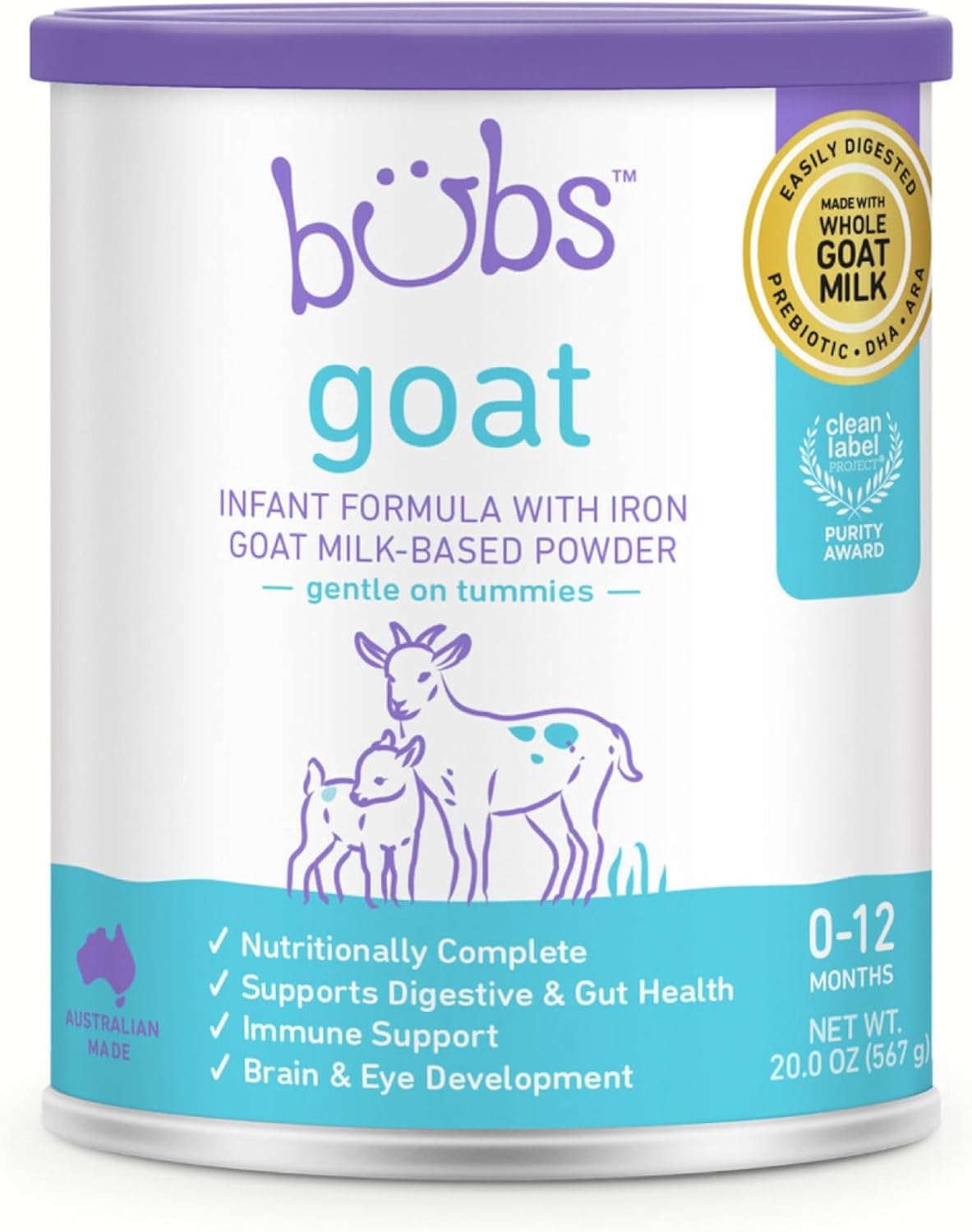
Choosing a formula is one of the most stressful decisions a parent can make. If your little one is struggling with a standard cow’s milk formula, dealing with gas, constipation, or signs of discomfort, you’ve likely started searching for alternatives.
Bubs Whole Goat Milk Formula from Australia often comes up as a popular, gentle option. But is switching to a goat milk-based formula the right move? This review breaks down the science, the ingredients, and the practicalities to help you make an informed choice with your pediatrician.
(Important Disclaimer: I am not a medical professional. This is a review of the product’s features and reputation. Always consult your pediatrician before changing your baby’s formula.)
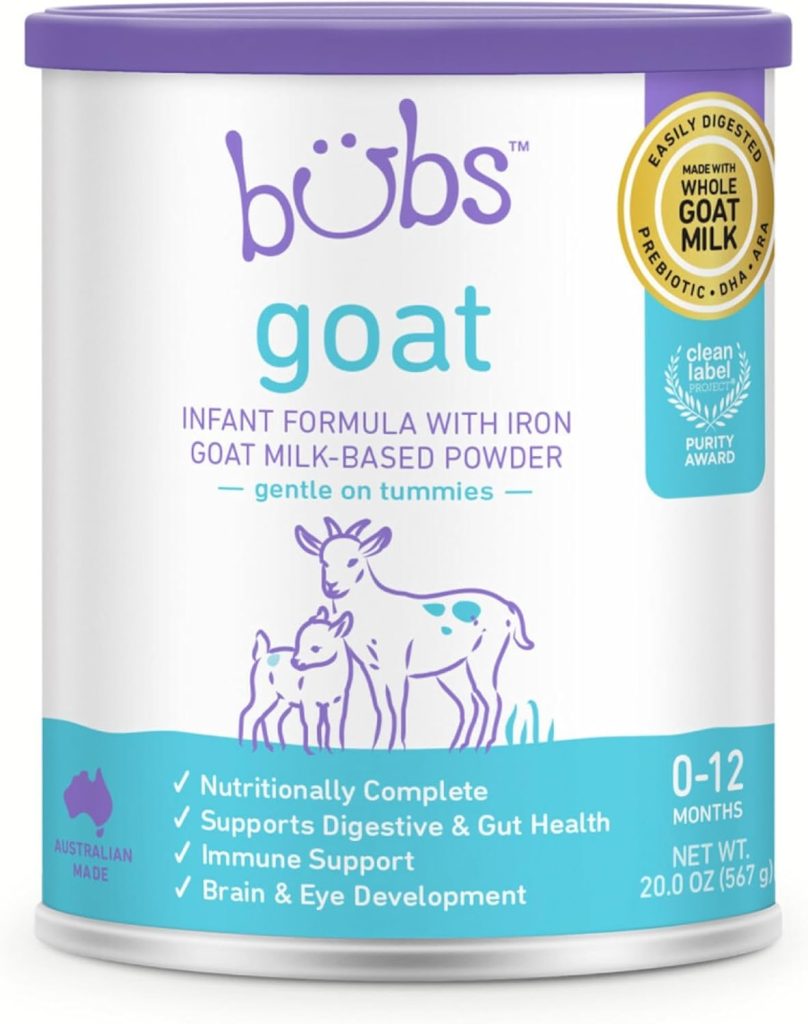
Bubs Goat Milk Formula: A Detailed Analysis
Here’s a comprehensive look at what this formula offers, based on its specifications and widespread user feedback.
The Potential Benefits (Why Parents Consider It):
- Different Protein Structure: The primary appeal of goat milk formula lies in its protein. Goat milk forms a softer, smaller, and potentially more digestible curd in the stomach compared to cow’s milk. This may lead to easier digestion and less discomfort for some babies with sensitive stomachs.
- Clean, High-Quality Ingredients: Bubs scores high marks here. It’s made with whole goat milk (not skimmed), is Non-GMO Project Verified, and contains no corn syrup, artificial colors, flavors, or preservatives. The Clean Label Project award adds a layer of third-party trust.
- Complete Nutrition for 0-12 Months: It’s a nutritionally complete infant formula, fortified with essential vitamins and minerals, including:
- Iron: Crucial for development.
- DHA & ARA: Fatty acids important for brain and eye health.
- Prebiotics (GOS): To support a healthy gut microbiome.
- Trusted Brand Reputation: Being a staple in Australian homes for nearly 20 years provides significant reassurance about safety and quality standards.
Important Considerations & Realities:
- It’s Still a Dairy-Based Formula: This is crucial. Bubs Goat Milk Formula is NOT suitable for babies with a confirmed cow’s milk protein allergy (CMPA). The proteins are very similar, and most babies allergic to cow’s milk will also react to goat’s milk. For true allergies, a hydrolyzed or amino acid-based formula is required.
- It is More Expensive: Goat milk formula is a premium product. The cost per ounce is significantly higher than standard cow’s milk formulas.
- Availability Can Be Spotty: As an imported product, it can sometimes go out of stock on major retailers, which is stressful if your baby depends on it.
- The Taste & Smell: Goat milk has a distinct, slightly sweet and “goaty” flavor and aroma that some babies accept immediately and others reject. It’s different from cow’s milk formula.
Who Might Bubs Goat Milk Formula Be A Good Option For?
✅ Babies with Mild Sensitivity to Cow’s Milk Formula: Those experiencing minor gas, fussiness, or constipation without a diagnosed allergy.
✅ Parents Seeking a “Clean Label” Formula: If ingredient purity and the absence of fillers like corn syrup are top priorities.
✅ Families Looking for a Whole Milk-Based Formula: Using whole goat milk (vs. skim) may provide a different fat composition.
Who Should Look Elsewhere or Consult a Doctor First?
❌ Babies with a Diagnosed Cow’s Milk Protein Allergy (CMPA): This is not an appropriate alternative.
❌ Those on a Very Tight Budget: The cost is prohibitive for many families.
❌ Babies Who Need a Specific Medical Formula: Always follow your pediatrician’s or gastroenterologist’s recommendation.
The Final Verdict & How to Proceed
Bubs Goat Milk Formula is a high-quality, thoughtfully formulated product that can be an excellent solution for babies who simply do better on goat milk. Its clean ingredient profile and focus on digestive comfort make it a standout in the specialty formula market.
However, it is not a miracle cure or a one-size-fits-all solution. It is designed for sensitivity, not allergy.
Your Action Plan:
- Talk to Your Pediatrician: Discuss your baby’s symptoms. Is it likely a sensitivity or a potential allergy?
- Get a Sample or Small Can: If your doctor agrees, try a small amount to see if your baby tolerates and accepts it.
- Monitor Closely: Look for changes in digestion, comfort, and skin.
Switching formula is a big step, but having a gentle, reputable option like Bubs available can provide much-needed hope and relief for both baby and parent.
>> Click Here to Check Current Price & Availability for Bubs Goat Milk Formula on Amazon <<
Remember: Your pediatrician is your best partner in this journey. Never make a formula switch based solely on online reviews.
Has your baby tried a goat milk formula? What was your experience? Sharing can help other parents feel less alone, but please remember all babies are unique.
Leave a Reply