
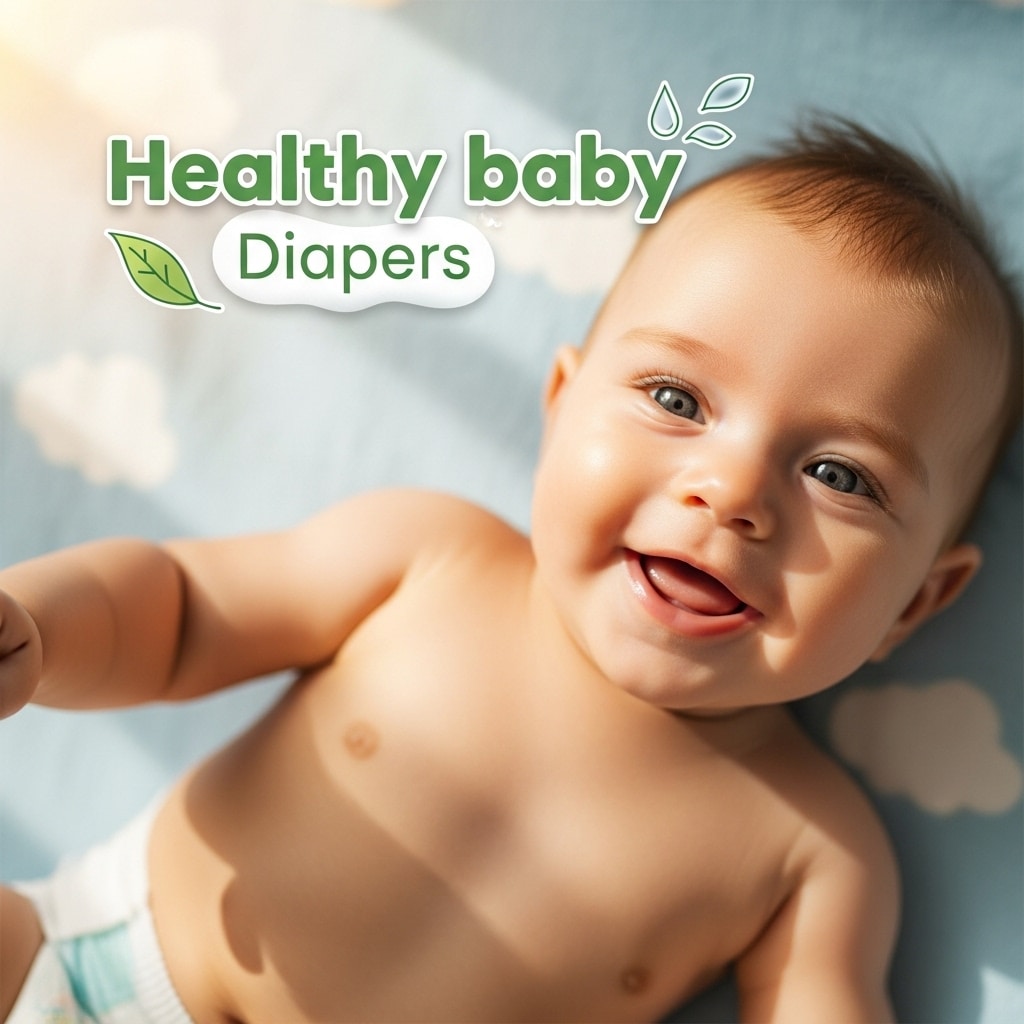
By the time your baby turns one, they will have spent roughly 8,760 hours in a diaper. If you have a child with sensitive skin, that number isn’t just a statistic; it’s a countdown to the next potential flare-up.
In 2026, the definition of healthy baby diapers has shifted. It’s no longer just about avoiding “the bad stuff”; it’s about the science of the materials touching your baby’s skin 24/7. If you are navigating the world of eczema, persistent diaper rash, or just want to minimize chemical exposure, this guide is your roadmap to the best options currently on the market.
Affiliate disclosure: This post contains affiliate links! As an affiliate, I may receive a small commission at no extra cost to you. All opinions are my own. Thank you for supporting Blessed Cute Babies!
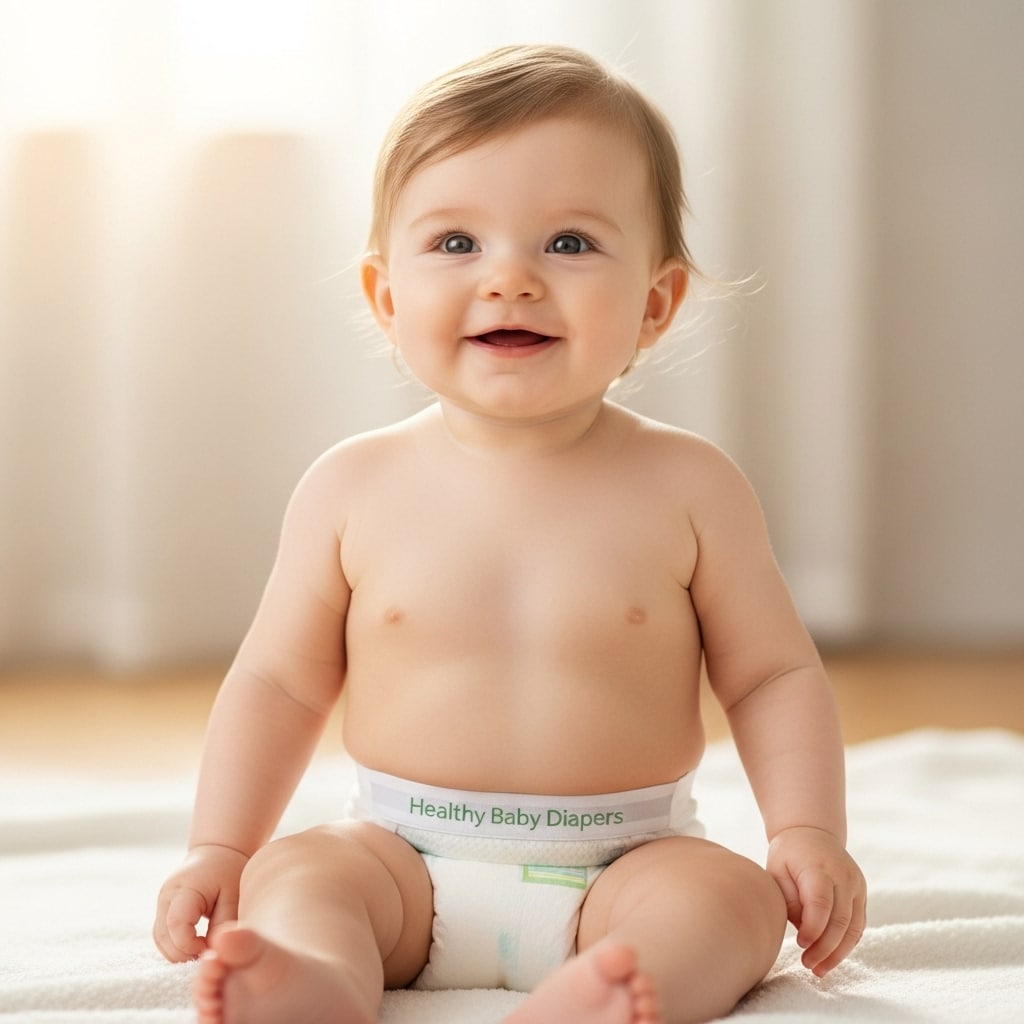
The 2026 “Healthy Baby Diaper” Standards
The industry has moved past vague “eco-friendly” claims. Today, we look for specific certifications and manufacturing processes. Here is the terminology you need to know:
- TCF (Totally Chlorine Free): This is the gold standard. Unlike ECF (Elemental Chlorine Free), which still uses chlorine dioxide, TCF ensures no chlorine was used in the bleaching process, eliminating the risk of dioxin, a known skin irritant and carcinogen.
- OEKO-TEX Standard 100: This third-party certification ensures that every component of the diaper, from the thread to the tabs, has been tested for over 300 harmful substances.
- EWG Verified: In 2026, more brands are seeking the Environmental Working Group’s seal, which requires full ingredient transparency, something conventional brands often hide.
The “No-Go” List: Chemicals to Avoid
If you flip over a pack of diapers and see these ingredients, put them back. For sensitive skin, these are the primary triggers:
| Chemical | Why It’s a Problem |
| Fragrances | Often contain phthalates and can cause “contact dermatitis” (red, itchy rashes). |
| Lotions/Petroleum | Can clog pores and create a barrier that actually traps moisture against the skin. |
| Heavy Metal Dyes | Brightly colored prints on the outside of diapers can contain lead or mercury which may leach. |
| PFAS (“Forever Chemicals”) | Used for water resistance but are linked to developmental issues and skin irritation. |
Top Picks: Best Healthy Baby Diapers for 2026
Based on lab testing for absorbency, skin-neutral pH, and material purity, these are our top recommendations for this year.
The “Skin Health” Leader: Kudos
Kudos remains the only diaper on the market with a 100% breathable cotton topsheet (the part touching the baby). Most “clean” diapers use a plant-based plastic (PLA). For babies with severe eczema, the natural breathability of cotton is unmatched.
Check Price On Amazon
The Performance Pro: Coterie
If you want the softness of a cashmere sweater with the absorbency of a high-tech sponge, Coterie is it. They are TCF, fragrance-free, and famously “dry to the touch” even when full, which is crucial for preventing rash.
Check Price On Amazon
The Eco-Warrior: HealthyBaby
The first diaper to be EWG Verified. They are incredibly transparent about their sourcing and use a plant-based inner liner that is free from over 5,000 potentially harmful chemicals.
Check Price On Amazon
The “Mainstream Clean” Choice: Pampers Pure / Huggies Skin Essentials
For parents who need to grab diapers at a local Target or grocery store, these lines have stripped away the fragrances and parabens of their parent brands. While not always TCF, they are a massive step up from conventional options for sensitive skin. If you’re confused on the one to choose between Pampers and Huggies, Here’s is the comparison guide.
Why Material Matters: The “Breathability” Factor
Healthy skin needs to breathe. When moisture is trapped in a plastic-heavy diaper, the skin’s $pH$ (normally around 5.5) rises, making it more susceptible to bacteria and yeast.
Pro-Tip: Look for diapers with a “breathable backsheet.” This allows microscopic air vapor to escape while keeping the liquid inside. If the outside of the diaper feels slightly damp or “cool” to the touch when the baby is wet, that’s actually a sign that the breathability is working!
Tips for Managing Sensitive Skin
Even the best healthy baby diaper can’t do all the work. To keep sensitive skin clear, follow the “Three A’s” rule:
- Air-Time: Give your baby 5–10 minutes of “naked time” on a towel between changes. Dry skin is healthy skin.
- Avoid Wiping Every Time: If it’s just a wet diaper, you don’t always need to use a wipe. Wiping can cause micro-tears in sensitive skin.
- Aquaphor or Zinc? Use a zinc-based barrier cream only when a rash is present. For daily protection, a thin layer of a “clean” petroleum-free balm is often better for preventing friction.
Summary
Choosing a healthy baby diapers in 2026 is an investment in your baby’s comfort and your peace of mind. By prioritizing TCF bleaching, cotton or plant-based liners, and third-party certifications, you are removing the most common obstacles to healthy, rash-free skin.
our journey might start with one of these brands, or you might discover another perfect fit. Every baby’s skin is a unique landscape. What worked miracles for my child might be just “okay” for yours, and that’s normal. The key takeaway is to become a label detective: focus on clean, fragrance-free materials and prioritize a snug, comfortable fit over brand name. Don’t be afraid to buy small packs or use a brand’s trial offer to test a few before committing to a big box. You know your baby best. Armed with the right knowledge, you can confidently choose a diaper that keeps them healthy, happy, and rash-free.
Leave a Reply