
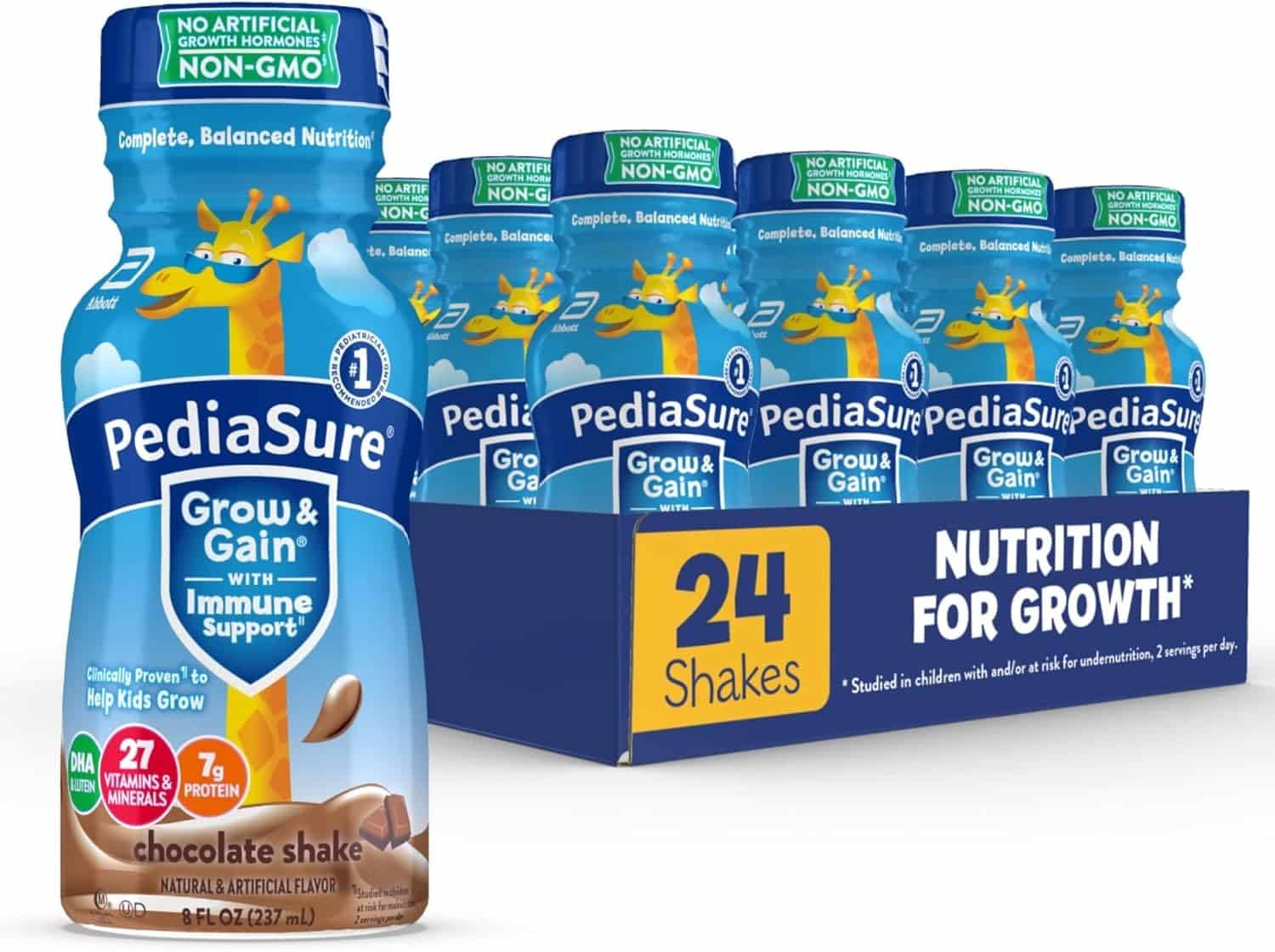
If you have a child who is a picky eater, has a limited diet, or is on the lower percentiles of the growth chart, you’ve likely felt that knot of worry. You just want to ensure they’re getting what they need to thrive. In those moments, a product like PediaSure Grow and Gain appears like a lifeline, a scientifically formulated drink promising complete nutrition.
But is it a healthy supplement or just a glorified milkshake? As a parent who has navigated this, I want to break down this product with honesty and nuance, with the crucial disclaimer that you should always consult your pediatrician first.
(Disclosure: As an affiliate, I earn from qualifying purchases. This review is based on thorough research and analysis of the product.)
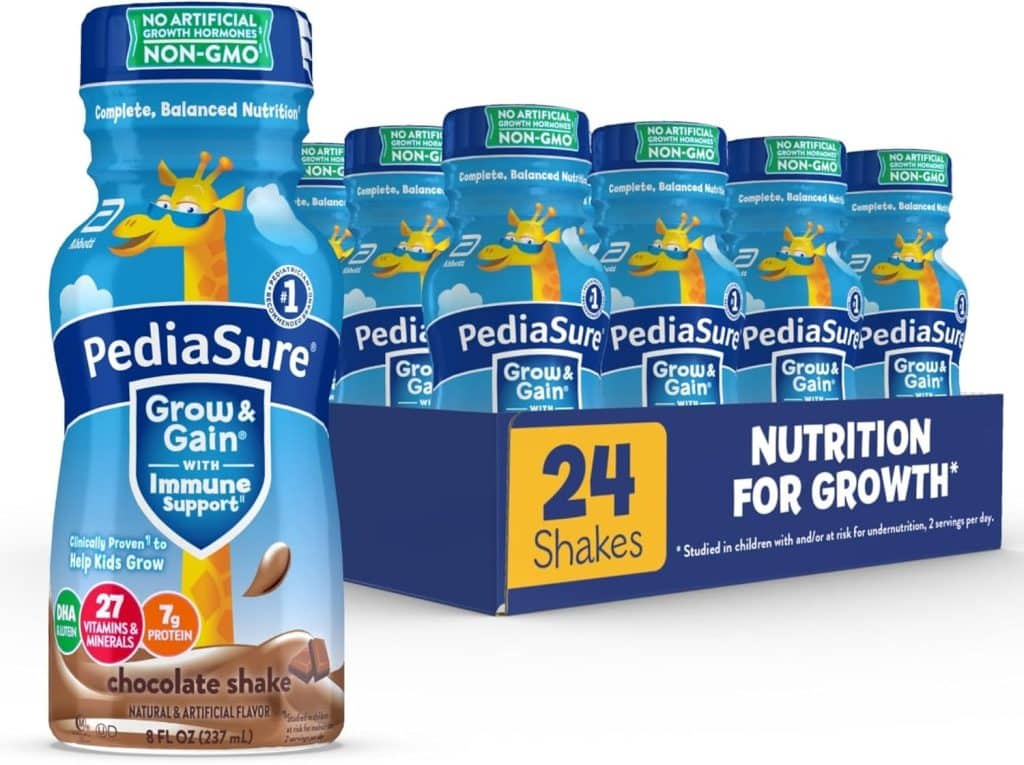
PediaSure Grow and Gain: An In-Depth Look
Here’s a detailed analysis of what this product is and isn’t, based on its formulation and intended use.
What It Does Well (The Potential Benefits):
- Nutritional “Insurance Policy”: This is its core purpose. For a child who truly isn’t meeting their nutritional needs through food alone, PediaSure provides a concentrated dose of 27 vitamins & minerals, 7g of protein, and 240 calories in a small, drinkable format. It can help fill gaps.
- Immune Support Nutrients: It includes key nutrients like Vitamins A, C, D, E, Zinc, and Selenium, which are important for a healthy immune system, a major concern for parents of light eaters.
- Convenience & Consistency: For kids who refuse a variety of foods, it offers a predictable, consistent source of nutrition. The ready-to-drink bottles are incredibly easy for lunches or on-the-go.
- Clinically Proven to Help Growth: The brand cites studies showing it can help support growth in kids at nutritional risk. For a child under a doctor’s care for “failure to thrive” or similar, it can be a legitimate medical tool.
The Important Considerations & Caveats:
- It is NOT a Meal Replacement: This is critical. PediaSure is designed as a supplement to a diet, not a substitute for it. The goal should always be to encourage whole foods first.
- Sugar Content is High: Each 8oz chocolate bottle contains 18g of sugar (including added sugar). That’s comparable to many kids’ yogurts or chocolate milks. While it’s fortified with nutrients, it’s still a sugary drink.
- Can Suppress Appetite: If given too close to mealtimes, the calories and sweetness can actually reduce a child’s hunger for real food, potentially worsening picky eating habits. Timing is key.
- The “Picky Eater” Dilemma: Sometimes, offering a tasty, reliable “nutrition shake” can inadvertently reinforce food avoidance. Why try new foods when you get a chocolate treat that makes mom stop worrying?
- It’s a Processed Food: The ingredient list is long and includes corn maltodextrin, vegetable oils, and artificial flavors (even in “non-GMO” versions). It is a scientifically engineered product, not a whole food.
Who Might PediaSure Be A Reasonable Option For?
✅ Children Under a Pediatrician’s or Dietitian’s Guidance: If your doctor has specifically recommended a nutritional supplement due to medical concerns about growth or dietary deficiencies.
✅ Children with Extreme Sensory Issues or ARFID: For kids with diagnosed conditions that severely limit food intake, it can be part of a therapeutic plan.
✅ As a Short-Term “Bridge”: During a prolonged illness, recovery, or a period of extreme food aversion, it can help maintain nutritional status while working on long-term eating skills.
Who Should Probably Avoid or Rethink It?
❌ Typically Developing Picky Eaters: For most kids who are just selective, using strategies like repeated exposure, food play, and avoiding pressure is a healthier long-term approach than introducing a sweet supplement.
❌ Children Who Are Simply Small but Healthy: If your child is following their own growth curve and is active and healthy, they likely don’t need it.
❌ As a Daily “Health Drink” for All Kids: It is not necessary or superior to a balanced diet of whole foods for children without specific nutritional risks.
The Final Verdict & How to Proceed Thoughtfully
PediaSure Grow & Gain is a legitimate, well-researched *medical nutrition product* that can serve an important purpose in specific scenarios. However, it is not a harmless “vitamin shake” for everyday use by all kids.
Think of it like a vitamin pill in drinkable form, it addresses a deficiency but doesn’t teach the skill of eating.
Your Action Plan:
- Talk to Your Pediatrician. Express your concerns about growth or nutrition. Let them assess if a supplement is truly warranted.
- If Recommended, Use it Strategically. Give it between meals, not at mealtime, to protect appetite. Use it as directed, not as a free-for-all drink.
- Continue Food Exploration. Never stop offering a variety of foods without pressure. The supplement should reduce your anxiety, allowing you to be more relaxed and positive at the table.
>> Click Here to Check the Price for PediaSure Grow & Gain 24-Pack on Amazon <<
Remember: Your pediatrician is your partner. This is a decision best made with professional guidance, not out of fear or marketing.
Has your child ever used a nutritional supplement? What was your experience, and what strategies worked best for your picky eater? Share respectfully in the comments below.
Leave a Reply