
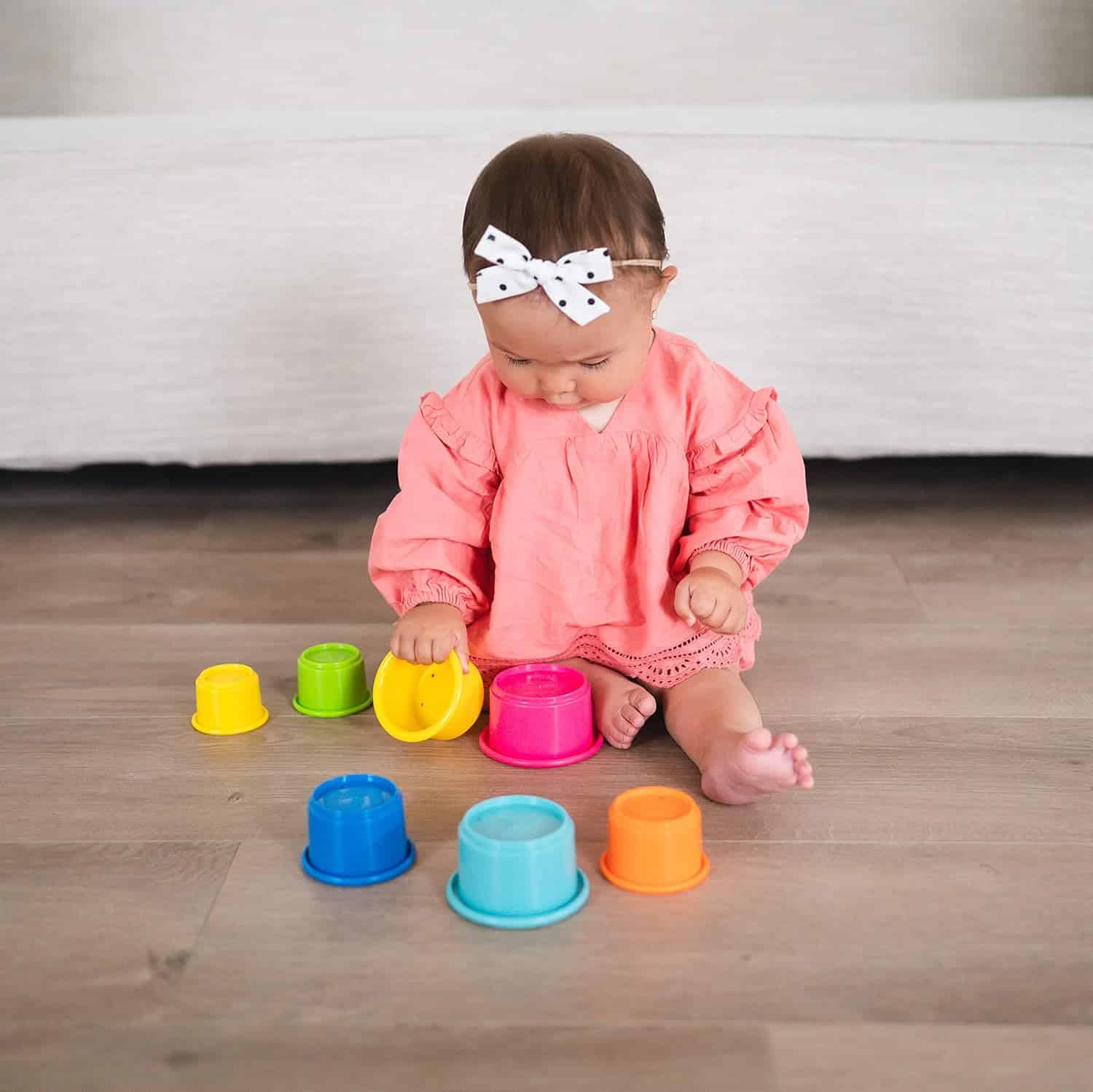
If you’ve ever sat in a playgroup and felt a twinge of panic because the baby next to yours is already waving “bye-bye” while yours is busy trying to eat their own shoe, welcome to parenthood.
In the hyper-connected world of 2026, it is easier than ever to fall into the Comparison Trap. We see “prodigy” toddlers on social media and start wondering if our own little ones are missing the memo. But here is the 2026 truth: Development is a journey, not a race. Milestones are helpful signposts, but they aren’t deadlines. To help you understand what’s happening in that beautiful, busy brain of theirs, we’ve integrated the Baby Milestone Tracker below. It’s a tool designed to give you the “big picture” of what most babies are doing at various stages of their first three years.
What Exactly is a “Milestone”?
In pediatric terms, baby development milestones are functional skills or specific tasks that most children can do by a certain age. We generally categorize them into four main areas:
- Gross Motor Skills: Big movements like rolling, sitting, and walking.
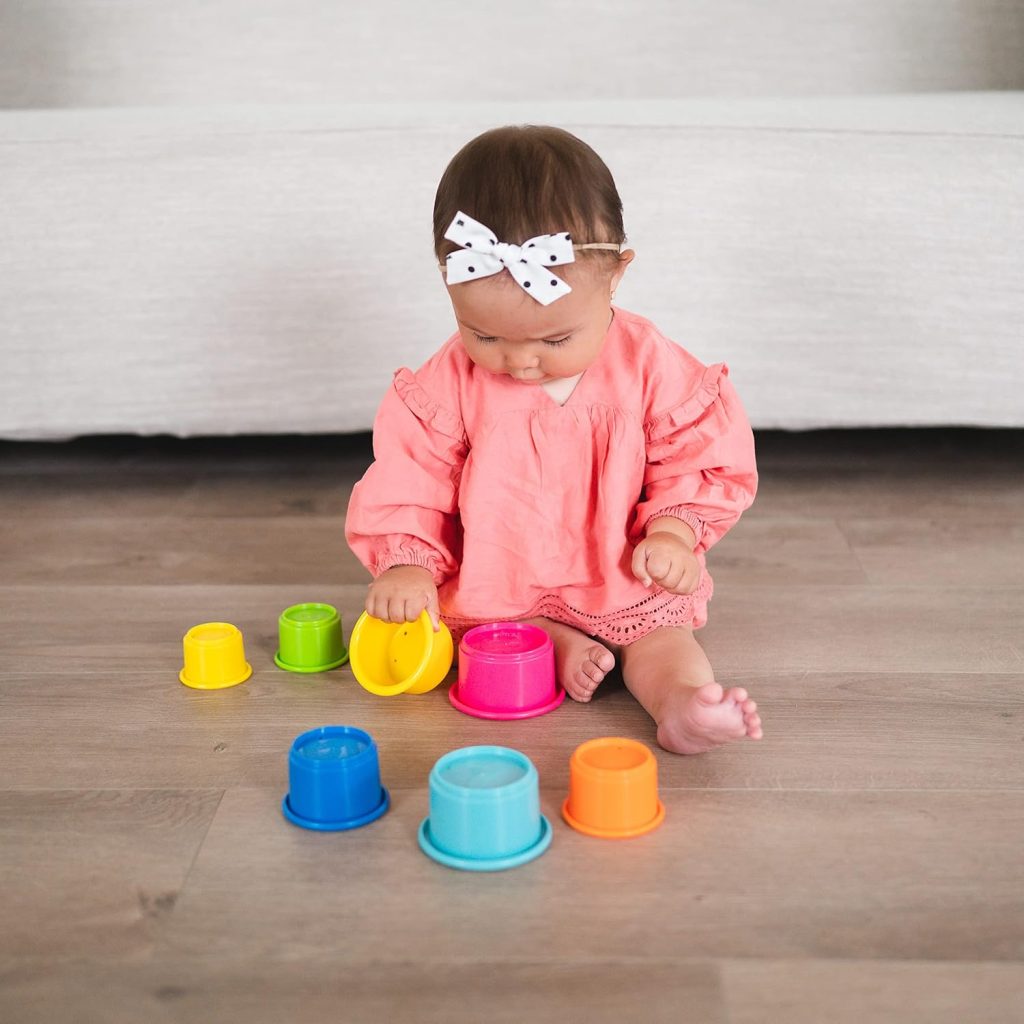
- Fine Motor Skills: Small movements like picking up a Cheerio or stacking blocks.
- Language & Communication: Making sounds, understanding “no,” and eventually speaking.
- Social & Emotional: Smiling, showing “stranger anxiety,” and playing with others.
Using the Milestone Tracker: The 2026 Approach
When you plug your baby’s age into our tracker, you’ll see a list of “expected” behaviors. Here is how to interpret those results without the 2:00 AM anxiety:
The “Window” vs. The “Date”
In 2026, pediatricians emphasize that every milestone has a “window of achievement.” For example, walking independently typically happens between 9 and 16 months. If a baby walks at 10 months, they are in the window. If they walk at 15 months, they are also in the window. One is not “smarter” or “better” than the other, they just have different internal clocks.
The “Leap” Phenomenon
Have you noticed that your baby suddenly becomes cranky, clingy, and sleeps poorly for a week, only to wake up on Monday and suddenly know how to crawl? This is a “Developmental Leap.” Their brain is working so hard on a new motor skill that their mood takes a temporary backseat.
Red Flags vs. Slow Starts: When to Talk to a Pro
While we celebrate the unique pace of every child, milestones do serve an important purpose: they help identify when a little extra support might be needed.
In 2026, “Early Intervention” is the gold standard. It’s not a label; it’s a boost. You might want to chat with your pediatrician if:
- By 4 Months: They aren’t holding their head steady.
- By 9 Months: They aren’t sitting with support or responding to their name.
- By 18 Months: They aren’t walking or using at least a few words.
- At Any Age: They lose a skill they previously had (regression).
Note: Our Baby Milestone Tracker is a guide, but your pediatrician is the expert. Trust your “Parental Gut,” if something feels off, ask!
3 Ways to Support Development (Without “Teaching”)
You don’t need to “train” a baby to reach milestones. Their DNA has the blueprint; you just provide the construction site.
- Floor Time is King: In the age of “containers” (bouncers, swings, car seats), the best thing for a baby’s physical development is a flat, safe spot on the floor. It’s the “gym” where they learn to roll and push up.
- Narrate Your Life: You don’t need fancy talking toys. Just talk to your baby about what you’re doing. “I’m folding the blue shirt now. Look at the blue shirt!” This constant “language bath” is how they build their future vocabulary.
- Responsive Play: When your baby makes a sound and you repeat it back, you are teaching them the most important social milestone: the “back-and-forth” of human connection.
Frequently Asked Questions (FAQ)
1. Does crawling “count” if they do it backward?
Yes! Many babies start in “reverse” or do a “commando crawl” (on their belly). The goal is independent movement to explore the environment. How they get there is up to them.
2. My baby was born early. Do I use their birth date?
In 2026, we still use “Adjusted Age” for milestones. If your baby was born two months early, they will likely hit their milestones closer to their adjusted age than their birth date for the first two years.
3. Why is my baby walking but not talking?
The brain often prioritizes one major skill at a time. A baby who is focused on the massive physical task of walking might put their language development “on hold” for a few weeks. It’s a completely normal biological trade-off.
4. Can screen time help with language milestones?
Current 2026 research remains consistent: babies learn language best from live human interaction. While a 10-minute video call with Grandma is great, “educational” videos for infants don’t replace the power of you talking to them.
5. What is “Social Referencing”?
This is a cool milestone around 9–12 months. It’s when your baby looks at your face to see how they should react to a new situation (like a loud noise or a stranger). You are their emotional compass!
Conclusion: Celebrate the Inchstones
In the rush to reach the “Big Milestones,” don’t forget to celebrate the “Inchstones.” The way they grab your finger, the way they figure out how to drop a toy on purpose, the way they finally realize that their feet belong to them.
These tiny moments of growth are the real magic of the first three years. Use our Baby Milestone Tracker to keep yourself informed, but use your heart to keep yourself present. Your baby is exactly where they need to be today.
Ready to see what’s next on the horizon? Scroll up, enter your baby’s age in the tracker, and get a preview of the amazing things your little one is working on.
Leave a Reply